Locations
 Treasury
 Login





For savers across the Treasure Valley and into Bend, choosing where to keep their money often comes down to the community banks vs. big banks decision — weighing the reach of a big national bank against the local service of a community bank. There’s rarely a single reason someone considers switching from a big bank to a community bank. More often, it comes down to a combination of factors: fees, rates, service, convenience, and the kind of banking relationship they’re looking for.
One difference between a community bank and a big national bank is the scale at which each operates. National banks serve customers across large markets, while community banks typically focus on defined geographic areas. That local focus can shape how a community bank approaches its products, services, and customer relationships.
What that looks like will vary from bank to bank. For savers, the important thing is to look at the specifics of the accounts available, including rates, fees, balance requirements, and features. At Idaho First Bank, for example, Freedom Checking offers zero monthly maintenance fees, while a Jumbo Money Market Account provides an interest-bearing option for savers with larger balances.
For many customers, “local” isn’t just about geography — it’s about familiarity. Bankers who work within a specific region tend to have a closer understanding of the local economy, common financial needs, and the kinds of questions customers are likely to ask about their accounts. That familiarity can make it easier to get clear answers about how an account works, what fees might apply, or how a particular product fits a specific financial goal.
It can also shape the kind of relationship a customer has with their bank. Rather than working with a call center that serves customers across the country, banking with an institution that operates in a defined region often means more consistent points of contact and a closer understanding of the community being served. For some savers, that relationship is just as important as the account itself.
For anyone weighing the benefits of a community bank for personal savings against a national name they already recognize, two concerns tend to come up more than any other: safety and convenience.
H3: FDIC Protection Doesn’t Depend on Bank Size
The same FDIC insurance limits apply at insured institutions regardless of whether the bank has a local or national footprint. Deposits at an FDIC-insured community bank are protected up to the same federal limits as deposits at the largest bank in the country. A smaller, local footprint doesn’t mean weaker protection — it means the same federal safeguards.
H3: Digital Banking Closes the Distance
Convenience is another likely hesitation for those weighing the benefits of banking locally. It’s a fair point to consider, but online and mobile banking can give community-bank customers access to many everyday banking functions without visiting a branch. Checking balances, transferring funds, depositing checks, and managing savings goals can all be done from your phone, regardless of how far from home your phone happens to be.
One way to evaluate a bank’s local commitment is to look at how it supports the communities it serves.
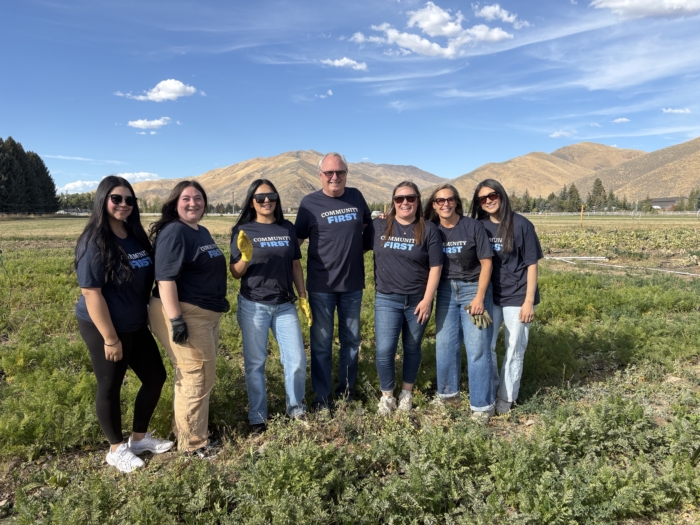
Idaho First Bank’s community involvement reflects exactly that kind of local investment — supporting local organizations, charitable causes, and community initiatives throughout the Treasure Valley and beyond. For savers weighing where to put their money to work, this is worth factoring in alongside rates and fees. It’s a tangible version of the same idea behind local banking: that a bank’s success and its community’s success aren’t separate goals.
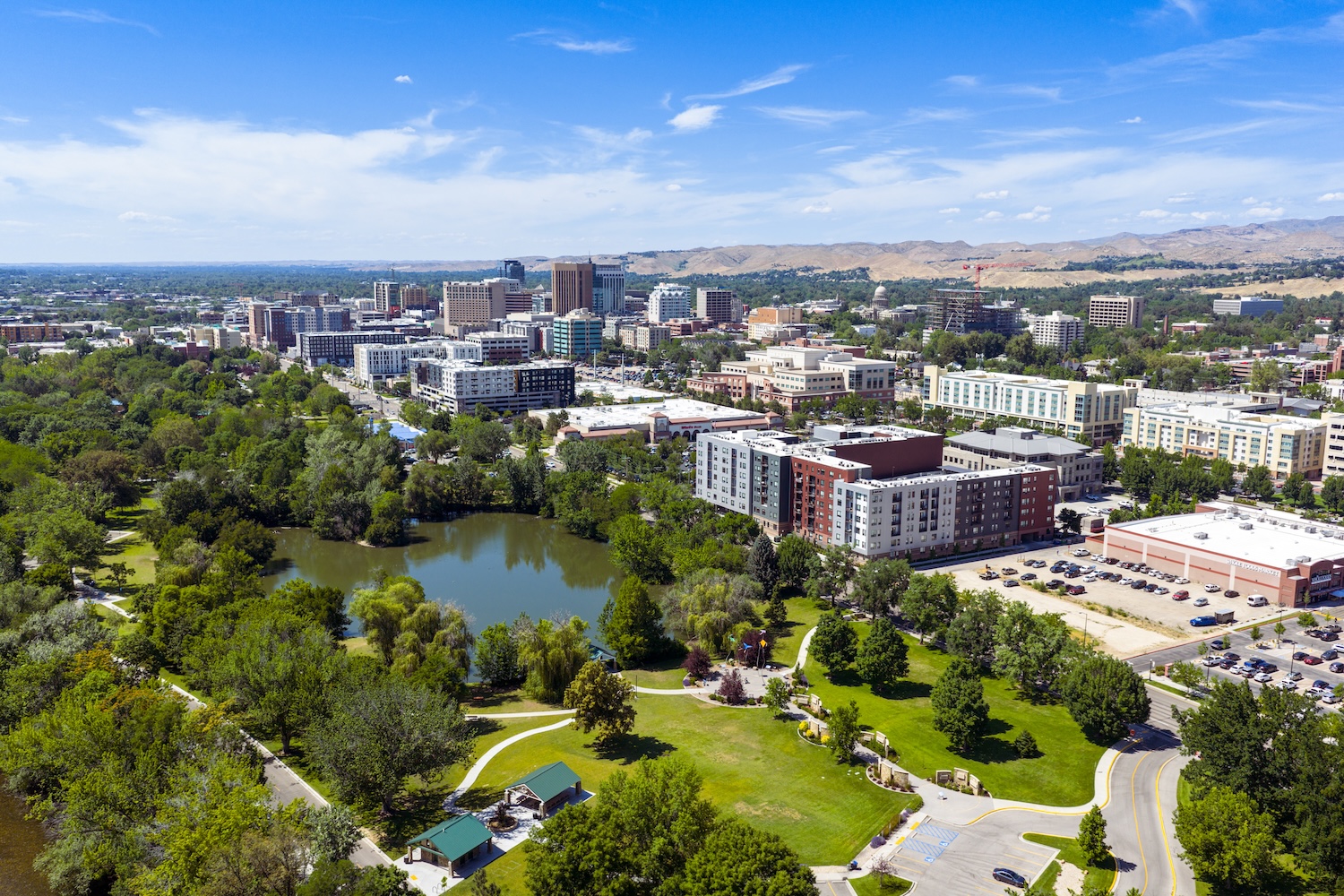
For savers searching “banks near me” across the region — whether that’s personal checking in Boise, a savings account in Nampa, or savings options in Bend — a local bank offers more than a conveniently located branch. It can also provide access to a local banking team when questions come up.
With so many account types and institutions to choose from, it helps to have a consistent way to consider the options. Whether you are considering the switch to a local community bank or comparing several options side by side, you can evaluate these simple but important factors:
Reviewing these factors side by side can make it easier to determine which bank, and which account, best fits a saver’s specific needs and priorities. For those who place weight on that last point — a bank’s ties to the community — it’s worth looking at how a local relationship actually plays out day to day.
For those who prefer local relationships and access to a nearby banking team, a community bank may be worth considering. Idaho First Bank serves savers throughout the Treasure Valley and into Oregon with personal checking and personal savings accounts built around exactly that kind of personalized support.
Choosing between a community bank and a big national bank isn’t about sentiment versus convenience. It’s about deciding which combination of service, account options, access, rates and fees works best for you.
If local relationships and access to a local banking team are priorities for you, it might be worth taking a closer look at what a local alternative, like Idaho First, has to offer. The best way to find out is to visit an Idaho First bank location near you and talk with a local team member about the switch.